
Common Pest Insects in Reno
Reno's climate and surroundings, from the high desert valley floor to the wooded areas near Lake Tahoe and Incline Village, bring a wide range of insects into contact with local homes and businesses. This guide covers the ones B's Weed & Pest Control Services most often treats for, how to recognize each, and what to do about them.
Ants
Several ant species are established locally, and they behave very differently. Carpenter ants tunnel into damp wood and leave sawdust behind. Pavement ants push small piles of soil up through cracks in sidewalks and driveways. Odorous house ants nest in wall voids and smell like rotten coconut when crushed. Pharaoh ants and Argentine ants form colonies with many queens, which makes them hard to control with sprays. A trail of ants leading in from outside, or winged ants gathered at a window, is the usual first sign. See ant pest control for species-by-species identification and treatment.
Spiders
The western black widow is native to the Reno area and turns up in garages, woodpiles, meter boxes, and sprinkler boxes, recognizable by its messy web and the red hourglass on the female's underside. Brown recluse spiders are not native here but arrive in boxes and furniture from their native range. Most other spiders around Reno homes, such as wolf spiders, jumping spiders, and cellar spiders, are harmless. See spider pest control for identification and bite first aid.

Cockroaches
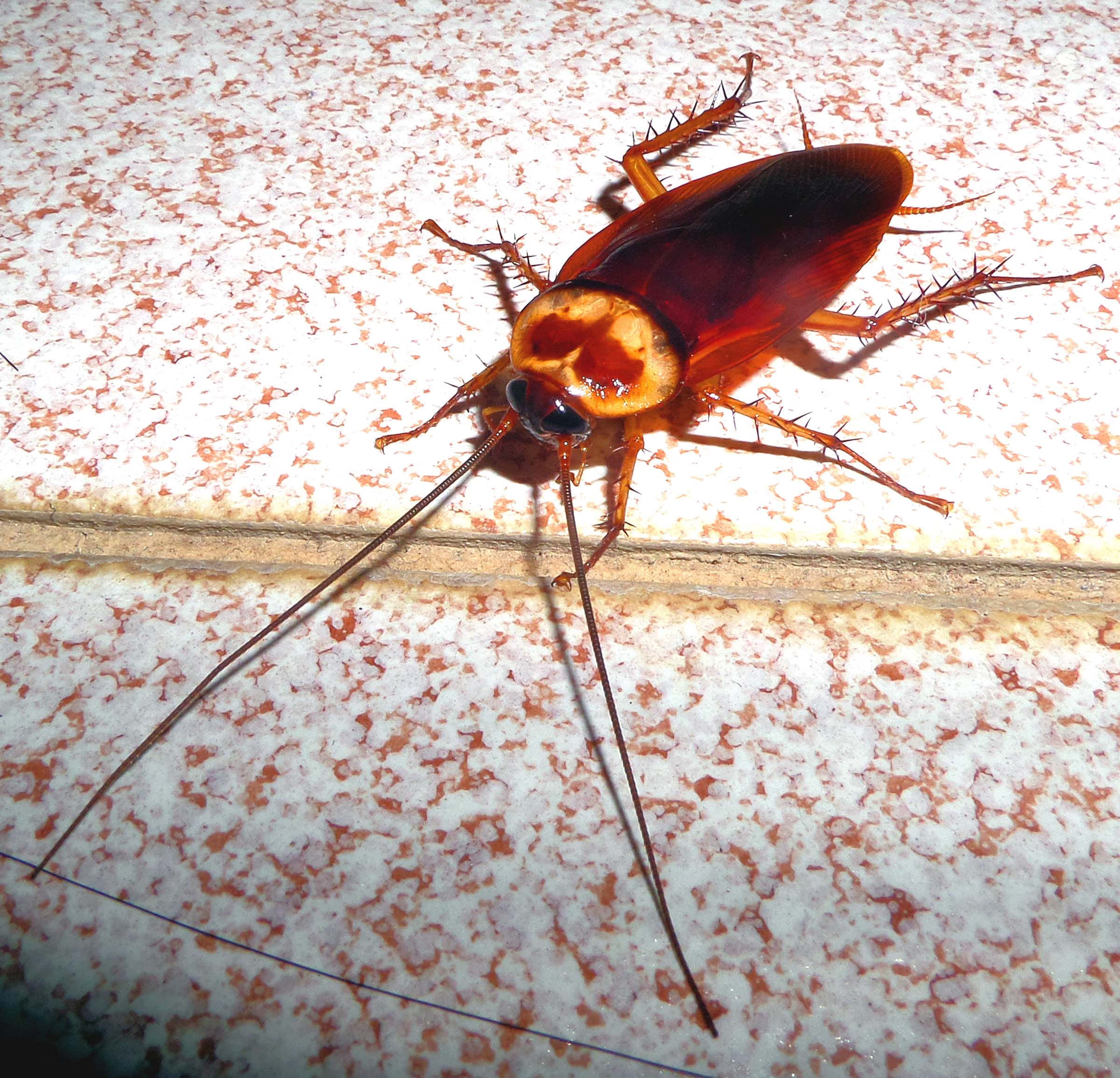
The German cockroach is the most common indoor species in Nevada, a small tan roach with two dark stripes behind its head that breeds very quickly in kitchens and bathrooms. The Oriental cockroach and the Turkestan cockroach live mostly outdoors, in drains, water meter boxes, and irrigation boxes, and wander inside. The American cockroach, the largest, comes up from sewers. See cockroach pest control for species detail.
Silverfish, Firebrats, and Booklice
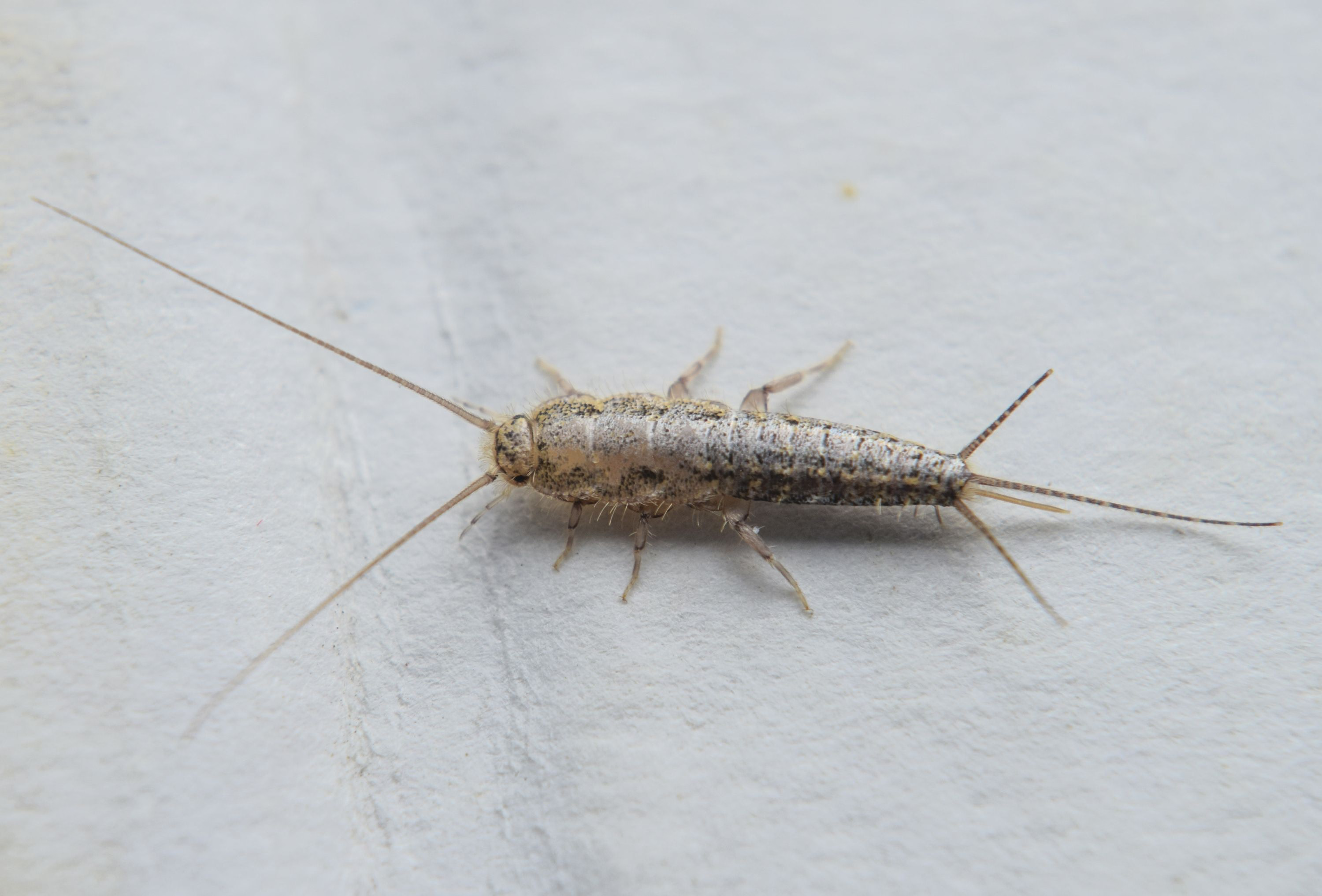
Silverfish and firebrats are wingless, scaly insects that feed on paper, book bindings, linens, and starchy materials, and leave yellowish stains behind. Silverfish favor damp spaces; firebrats favor heat, near furnaces and water heaters. Booklice are tiny, pale insects that feed on mold in humid areas and do not damage belongings. All three point to a moisture or humidity problem worth fixing. See silverfish pest control and booklice pest control.
Wasps
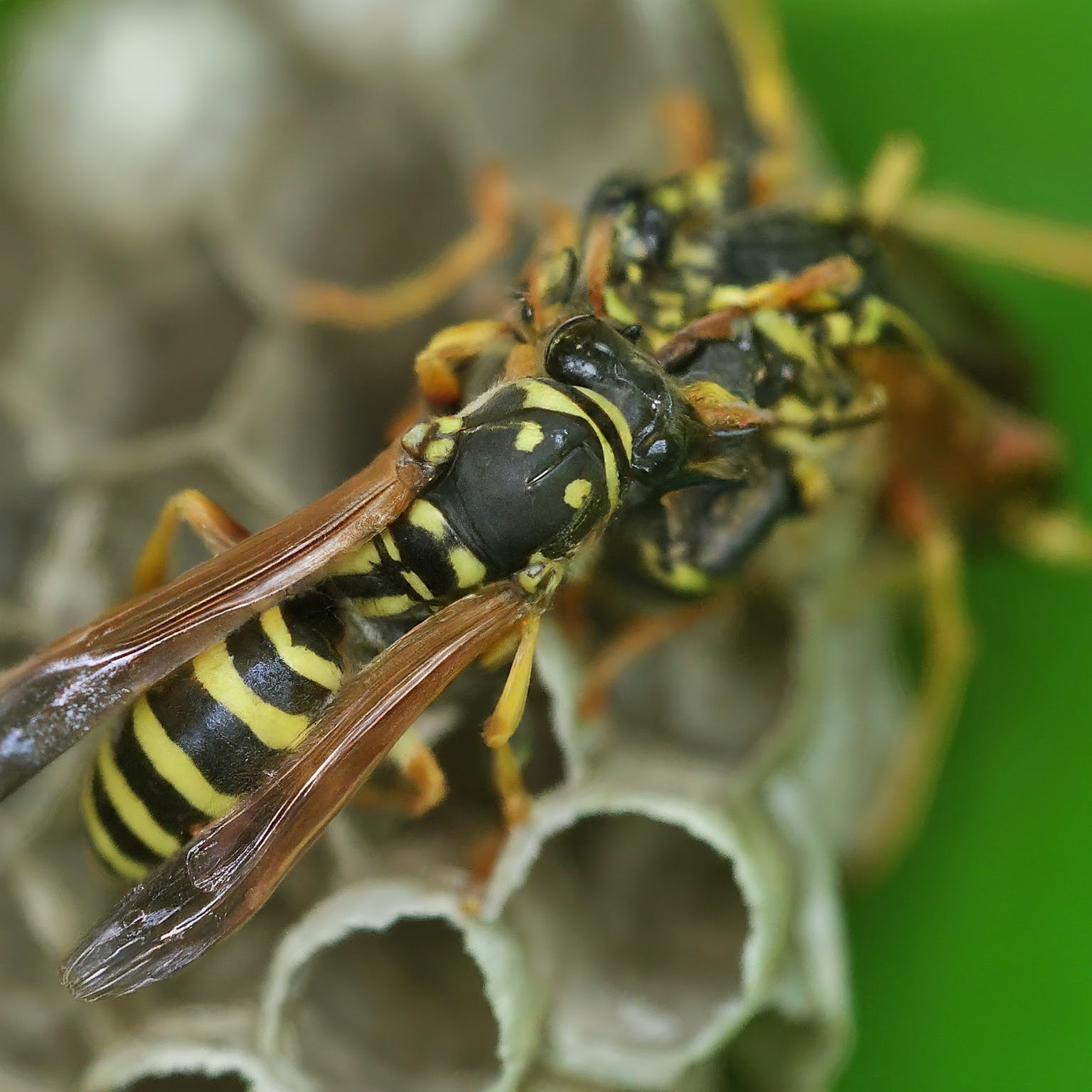
Paper wasps and yellowjackets nest in eaves, attics, wall voids, and the ground around Reno and Sparks. Yellowjackets get more aggressive late in the summer, when they scavenge for sugar and protein. See wasp extermination for removal detail.
Termites
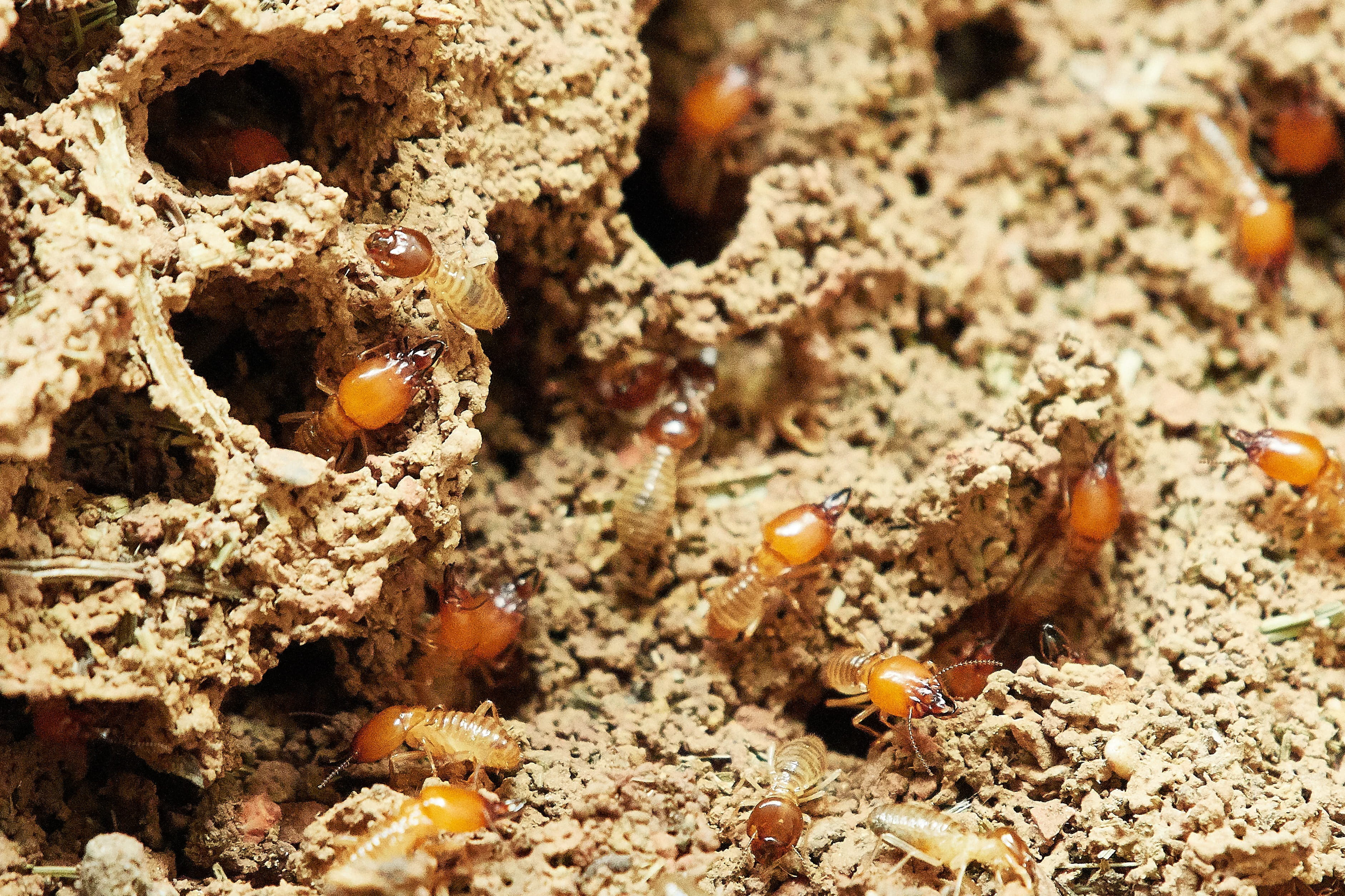
Subterranean termites live in the soil and reach a house through its foundation, building mud tubes to cross open surfaces. Their activity is often invisible until real damage is done, though winged swarmers in spring, discarded wings on a windowsill, or mud tubes on a foundation are all warning signs. Regular inspection by a trained professional catches termite activity before the damage becomes substantial. See termite control for inspection and treatment options.
Pantry Pests
Stored dry foods such as flour, cereal, pasta, rice, dried fruit, nuts, and pet food can be infested by several insects: the Indian meal moth, whose larvae leave silky webbing in food packages; flour beetles; grain weevils; and the cigarette and drugstore beetles, which also get into spices. The larvae do the damage, while the adults, small moths fluttering in a kitchen or tiny beetles on a shelf, are the stage people notice.
Control starts with finding and discarding every infested package, then vacuuming the shelves thoroughly, including the cracks and corners, and storing dry goods in sealed glass or hard plastic containers from then on. Freezing suspect dry goods for several days kills any eggs and larvae inside. Because pesticides are not used around food, pantry pest control depends on sanitation and storage rather than spraying.
Clothes Moths and Carpet Beetles
Clothes moth larvae feed on natural animal fibers, wool, silk, fur, and feathers, especially in clothing and rugs that are stored or soiled. The damage concentrates where it is hard to see: under collars, along seams, in folds of upholstery, and around the edges of rugs under furniture. The larvae spin silky webbing and leave small holes and specks of excrement behind.
Carpet beetle larvae eat many of the same things, plus pet hair, lint, and the bristles of brushes, and they leave behind brown, bristly shed skins. The adults are small, rounded beetles often seen at windows, since they feed outdoors on flower pollen and fly in from outside.
Both are controlled the same way: clean clothing and textiles before storing them, keep stored items in airtight containers, vacuum thoroughly under furniture, along baseboards, and in closets, and launder or dry-clean anything infested. A persistent problem usually has a hidden source, such as a forgotten wool rug or a stored bag of feathers, that an inspection can find.
Wood-Boring Beetles
Several beetles attack dry, seasoned wood in furniture, flooring, and structural timber. Powderpost beetles are the most common. The larvae live and feed inside the wood, invisible from the outside, and the damage is already done by the time the adults bore out, leaving small, round exit holes and fine, flour-like powder below them. Because these holes can be confused with termite damage and the right treatment is different, a professional inspection is the way to confirm what is actually in the wood.
Mosquitoes
Mosquitoes breed in standing water, and they need very little of it: a saucer under a planter, a clogged gutter, a birdbath, or a leaking irrigation box is enough. Only the females bite, and in Nevada the mosquito-borne disease of most concern is West Nile virus. The first line of control is removing breeding sites by emptying standing water every week and keeping window and door screens in good repair. Beyond that, treatment targets the vegetation where adult mosquitoes rest and the water where larvae develop.
Bed Bugs
Bed bugs travel into homes in luggage, used furniture, and clothing, often after a hotel stay. They hide in mattress seams, bed frames, headboards, and furniture joints, and feed at night. Signs include small rusty or dark spots on sheets and mattresses, shed skins, and itchy bites often in a line or cluster. Bed bugs are not a do-it-yourself pest: over-the-counter sprays scatter them into walls and neighboring rooms. B's combines inspection, heat treatment, and targeted insecticide to eliminate every life stage.
Fleas
Fleas usually arrive on pets or on rodents and wildlife living under a deck or in a crawl space. Adults feed on blood, while eggs and larvae develop in carpets, pet bedding, and upholstery, which is why treating the pet alone rarely ends an infestation. Control combines treating the pet through a veterinarian, washing bedding, thorough vacuuming, and treatment of the home and yard where the larvae develop.
Flies and Fruit Flies
House flies breed in garbage, pet waste, and decaying organic matter, and carry bacteria to food surfaces. Fruit flies breed in overripe produce, drains, recycling bins, and anything fermenting. With both, the flies in the air are the symptom; the breeding source is the problem. Find and remove it, keep garbage sealed and drains clean, and the flies stop. B's treats fly problems in homes and commercial kitchens by finding that source first.
Earwigs and Springtails
Earwigs and springtails are moisture pests. Earwigs, with their pincer-like tails, hide under mulch, stones, and damp debris and wander indoors, while springtails, tiny insects that jump when disturbed, appear in large numbers around damp soil, overwatered planters, and leaking fixtures. Neither damages a home, but both signal excess moisture near the foundation. Reducing irrigation near the house, moving mulch back from the walls, and a perimeter treatment keep them out.
Boxelder Bugs
Boxelder bugs are black insects with red or orange markings that gather in large numbers on sunny, south- and west-facing walls in the fall, then work their way into homes through gaps around windows, siding, and vents to spend the winter. They do not bite, breed indoors, or damage the structure, but they stain fabrics and walls when crushed and reappear on warm winter days. Sealing gaps before fall and a perimeter treatment on the walls where they gather keep them outside.
When to Call a Professional
A single insect is rarely cause for alarm. Repeated sightings, insects in more than one room, damage to wood or fabric, or any sign of termites are worth an inspection. B's has served Reno, Sparks, and Carson City since 2002, and inspections and quotes are free.